2022年 AHWA比武题 k8s服务器集群分析 k8s证书更新教程:
更新脚本
1
2
3
4
5
6
7
8
9
10
11
12
13
14
15
16
17
18
19
20
21
22
23
24
25
26
27
28
29
30
31
32
33
34
35
36
37
38
39
40
41
42
43
44
45
46
47
48
49
50
51
52
53
54
55
56
57
58
59
60
61
62
63
64
65
66
67
68
69
70
71
72
73
74
75
76
77
78
79
80
81
82
83
84
85
86
87
88
89
90
91
92
93
94
95
96
97
98
99
100
101
102
103
104
105
106
107
108
109
110
111
112
113
114
115
116
117
118
119
120
121
122
123
124
125
126
127
128
129
130
131
132
133
134
135
136
137
138
139
140
141
142
143
144
145
146
147
148
149
150
151
152
153
154
155
156
157
158
159
160
161
162
163
164
165
166
167
168
169
170
171
172
173
174
175
176
177
178
179
180
181
182
183
184
185
186
187
188
189
190
191
192
193
194
195
196
197
198
199
200
201
202
203
204
205
206
207
208
209
210
211
212
213
214
215
216
217
218
219
220
221
222
223
224
225
226
227
228
229
230
231
232
233
234
235
236
237
238
239
240
241
242
243
244
245
246
247
248
249
250
251
252
253
254
255
256
257
258
259
260
261
262
263
264
265
266
267
268
269
270
271
272
273
274
275
276
277
278
279
280
281
282
283
284
285
286
287
288
289
290
291
292
293
294
295
296
297
298
299
300
301
302
303
304
305
306
307
308
309
310
311
312
313
314
315
316
317
318
319
320
321
322
323
324
325
326
327
328
329
330
331
332
333
334
335
336
337
338
339
340
341
342
343
344
345
346
347
348
349
350
351
352
353
354
355
356
357
358
359
360
361
362
363
364
365
366
367
368
369
370
371
372
373
374
375
376
377
378
379
380
381
382
383
384
385
386
387
388
389
390
391
392
393
394
395
396
397
398
399
400
401
402
403
404
405
406
407
408
409
410
411
412
413
414
415
416
417
418
419
420
421
422
423
424
425
426
427
428
429
430
431
432
433
434
435
436
437
438
439
440
441
442
443
444
445
446
447
448
449
450
451
452
453
454
455
456
457
458
459
460
461
462
463
464
465
466
467
#!/usr/bin/env bash set -o errexitset -o pipefailNC='\033[0m' RED='\033[31m' GREEN='\033[32m' YELLOW='\033[33m' BLUE='\033[34m' CRI="docker" log ::err printf "[$(date +'%Y-%m-%dT%H:%M:%S.%2N%z') ][${RED} ERROR${NC} ] %b\n" "$@ " } log ::info printf "[$(date +'%Y-%m-%dT%H:%M:%S.%2N%z') ][INFO] %b\n" "$@ " } log ::warning printf "[$(date +'%Y-%m-%dT%H:%M:%S.%2N%z') ][${YELLOW} WARNING${NC} ] \033[0m%b\n" "$@ " } check_file if [[ ! -r ${1} ]]; then log ::err "can not find ${1} " exit 1 fi } cert::get_subject_alt_name local cert=${1} .crt local alt_name check_file "${cert} " alt_name=$(openssl x509 -text -noout -in "${cert} " | grep -A1 'Alternative' | tail -n1 | sed 's/[[:space:]]*Address//g' ) printf "%s\n" "${alt_name} " } cert::get_subj local cert=${1} .crt local subj check_file "${cert} " subj=$(openssl x509 -text -noout -in "${cert} " | grep "Subject:" | sed 's/Subject:/\//g;s/\,/\//;s/[[:space:]]//g' ) printf "%s\n" "${subj} " } cert::backup_file local file=${1} if [[ ! -e ${file} .old-$(date +%Y%m%d) ]]; then cp -rp "${file} " "${file} .old-$(date +%Y%m%d) " log ::info "backup ${file} to ${file} .old-$(date +%Y%m%d) " else log ::warning "does not backup, ${file} .old-$(date +%Y%m%d) already exists" fi } cert::check_cert_expiration local cert=${1} .crt local cert_expires cert_expires=$(openssl x509 -text -noout -in "${cert} " | awk -F ": " '/Not After/{print$2}' ) printf "%s\n" "${cert_expires} " } cert::check_kubeconfig_expiration local config=${1} .conf local cert local cert_expires cert=$(grep "client-certificate-data" "${config} " | awk '{print$2}' | base64 -d) cert_expires=$(openssl x509 -text -noout -in <(printf "%s" "${cert} " ) | awk -F ": " '/Not After/{print$2}' ) printf "%s\n" "${cert_expires} " } cert::check_etcd_certs_expiration local cert local certs certs=( "${ETCD_CERT_CA} " "${ETCD_CERT_SERVER} " "${ETCD_CERT_PEER} " "${ETCD_CERT_HEALTHCHECK_CLIENT} " "${ETCD_CERT_APISERVER_ETCD_CLIENT} " ) for cert in "${certs[@]} " ; do if [[ ! -r ${cert} ]]; then printf "%-50s%-30s\n" "${cert} .crt" "$(cert::check_cert_expiration "${cert} " ) " fi done } cert::check_master_certs_expiration local certs local kubeconfs local cert local conf certs=( "${CERT_CA} " "${CERT_APISERVER} " "${CERT_APISERVER_KUBELET_CLIENT} " "${FRONT_PROXY_CA} " "${FRONT_PROXY_CLIENT} " ) kubeconfs=( "${CONF_CONTROLLER_MANAGER} " "${CONF_SCHEDULER} " "${CONF_ADMIN} " ) printf "%-50s%-30s\n" "CERTIFICATE" "EXPIRES" for conf in "${kubeconfs[@]} " ; do if [[ ! -r ${conf} ]]; then printf "%-50s%-30s\n" "${conf} .config" "$(cert::check_kubeconfig_expiration "${conf} " ) " fi done for cert in "${certs[@]} " ; do if [[ ! -r ${cert} ]]; then printf "%-50s%-30s\n" "${cert} .crt" "$(cert::check_cert_expiration "${cert} " ) " fi done } cert::check_all_expiration cert::check_master_certs_expiration cert::check_etcd_certs_expiration } cert::gen_cert local cert_name=${1} local cert_type=${2} local subj=${3} local cert_days=${4} local ca_name=${5} local alt_name=${6} local ca_cert=${ca_name} .crt local ca_key=${ca_name} .key local cert=${cert_name} .crt local key=${cert_name} .key local csr=${cert_name} .csr local common_csr_conf='distinguished_name = dn\n[dn]\n[v3_ext]\nkeyUsage = critical, digitalSignature, keyEncipherment\n' for file in "${ca_cert} " "${ca_key} " "${cert} " "${key} " ; do check_file "${file} " done case "${cert_type} " in client) csr_conf=$(printf "%bextendedKeyUsage = clientAuth\n" "${common_csr_conf} " ) ;; server) csr_conf=$(printf "%bextendedKeyUsage = serverAuth\nsubjectAltName = %b\n" "${common_csr_conf} " "${alt_name} " ) ;; peer) csr_conf=$(printf "%bextendedKeyUsage = serverAuth, clientAuth\nsubjectAltName = %b\n" "${common_csr_conf} " "${alt_name} " ) ;; *) log ::err "unknow, unsupported certs type: ${YELLOW} ${cert_type} ${NC} , supported type: client, server, peer" exit 1 ;; esac openssl req -new -key "${key} " -subj "${subj} " -reqexts v3_ext \ -config <(printf "%b" "${csr_conf} " ) \ -out "${csr} " >/dev/null 2>&1 openssl x509 -in "${csr} " -req -CA "${ca_cert} " -CAkey "${ca_key} " -CAcreateserial -extensions v3_ext \ -extfile <(printf "%b" "${csr_conf} " ) \ -days "${cert_days} " -out "${cert} " >/dev/null 2>&1 rm -f "${csr} " } cert::update_kubeconf local cert_name=${1} local kubeconf_file=${cert_name} .conf local cert=${cert_name} .crt local key=${cert_name} .key local subj local cert_base64 check_file "${kubeconf_file} " grep "client-key-data" "${kubeconf_file} " | awk '{print$2}' | base64 -d >"${key} " grep "client-certificate-data" "${kubeconf_file} " | awk '{print$2}' | base64 -d >"${cert} " subj=$(cert::get_subj "${cert_name} " ) cert::gen_cert "${cert_name} " "client" "${subj} " "${CERT_DAYS} " "${CERT_CA} " cert_base64=$(base64 -w 0 "${cert} " ) sed -i 's/client-certificate-data:.*/client-certificate-data: ' "${cert_base64} " '/g' "${kubeconf_file} " rm -f "${cert} " rm -f "${key} " } cert::update_etcd_cert local subj local subject_alt_name local cert for cert in ${ETCD_CERT_SERVER} ${ETCD_CERT_PEER} ; do subj=$(cert::get_subj "${cert} " ) subject_alt_name=$(cert::get_subject_alt_name "${cert} " ) cert::gen_cert "${cert} " "peer" "${subj} " "${CERT_DAYS} " "${ETCD_CERT_CA} " "${subject_alt_name} " log ::info "${GREEN} updated ${BLUE} ${cert} .conf${NC} " done for cert in ${ETCD_CERT_HEALTHCHECK_CLIENT} ${ETCD_CERT_APISERVER_ETCD_CLIENT} ; do subj=$(cert::get_subj "${cert} " ) cert::gen_cert "${cert} " "client" "${subj} " "${CERT_DAYS} " "${ETCD_CERT_CA} " log ::info "${GREEN} updated ${BLUE} ${cert} .conf${NC} " done case $CRI in "docker" ) docker ps | awk '/k8s_etcd/{print$1}' | xargs -r -I '{}' docker restart {} >/dev/null 2>&1 || true ;; "containerd" ) crictl ps | awk '/etcd-/{print$(NF-1)}' | xargs -r -I '{}' crictl stopp {} >/dev/null 2>&1 || true ;; esac log ::info "restarted etcd with ${CRI} " } cert::update_master_cert local subj local subject_alt_name local conf subj=$(cert::get_subj "${CERT_APISERVER} " ) subject_alt_name=$(cert::get_subject_alt_name "${CERT_APISERVER} " ) cert::gen_cert "${CERT_APISERVER} " "server" "${subj} " "${CERT_DAYS} " "${CERT_CA} " "${subject_alt_name} " log ::info "${GREEN} updated ${BLUE} ${CERT_APISERVER} .crt${NC} " subj=$(cert::get_subj "${CERT_APISERVER_KUBELET_CLIENT} " ) cert::gen_cert "${CERT_APISERVER_KUBELET_CLIENT} " "client" "${subj} " "${CERT_DAYS} " "${CERT_CA} " log ::info "${GREEN} updated ${BLUE} ${CERT_APISERVER_KUBELET_CLIENT} .crt${NC} " for conf in ${CONF_CONTROLLER_MANAGER} ${CONF_SCHEDULER} ${CONF_ADMIN} ${CONF_KUBELET} ; do if [[ ${conf##*/} == "kubelet" ]]; then set +e grep kubelet-client-current.pem /etc/kubernetes/kubelet.conf >/dev/null 2>&1 kubelet_cert_auto_update=$? set -e if [[ "$kubelet_cert_auto_update " == "0" ]]; then log ::info "does not need to update kubelet.conf" continue fi fi cert::update_kubeconf "${conf} " log ::info "${GREEN} updated ${BLUE} ${conf} .conf${NC} " if [[ ${conf##*/} == "admin" ]]; then mkdir -p "${HOME} /.kube" local config=${HOME} /.kube/config local config_backup config_backup=${HOME} /.kube/config.old-$(date +%Y%m%d) if [[ -f ${config} ]] && [[ ! -f ${config_backup} ]]; then cp -fp "${config} " "${config_backup} " log ::info "backup ${config} to ${config_backup} " fi cp -fp "${conf} .conf" "${HOME} /.kube/config" log ::info "copy the admin.conf to ${HOME} /.kube/config" fi done subj=$(cert::get_subj "${FRONT_PROXY_CLIENT} " ) cert::gen_cert "${FRONT_PROXY_CLIENT} " "client" "${subj} " "${CERT_DAYS} " "${FRONT_PROXY_CA} " log ::info "${GREEN} updated ${BLUE} ${FRONT_PROXY_CLIENT} .crt${NC} " for item in "apiserver" "controller-manager" "scheduler" ; do case $CRI in "docker" ) docker ps | awk '/k8s_kube-' ${item} '/{print$1}' | xargs -r -I '{}' docker restart {} >/dev/null 2>&1 || true ;; "containerd" ) crictl ps | awk '/kube-' ${item} '-/{print $(NF-1)}' | xargs -r -I '{}' crictl stopp {} >/dev/null 2>&1 || true ;; esac log ::info "restarted ${item} with ${CRI} " done systemctl restart kubelet || true log ::info "restarted kubelet" } main local node_type=$1 ARGS=`getopt -o c: --long cri: -- "$@ " ` eval set -- "$ARGS " while true do case "$1 " in -c|--cri) case "$2 " in "docker" |"containerd" ) CRI=$2 shift 2 ;; *) echo 'Unsupported cri. Valid options are "docker", "containerd".' exit 1 ;; esac ;; --) shift break ;; *) echo "Invalid arguments." exit 1 ;; esac done CERT_DAYS=3650 KUBE_PATH=/etc/kubernetes PKI_PATH=${KUBE_PATH} /pki CERT_CA=${PKI_PATH} /ca CERT_APISERVER=${PKI_PATH} /apiserver CERT_APISERVER_KUBELET_CLIENT=${PKI_PATH} /apiserver-kubelet-client CONF_CONTROLLER_MANAGER=${KUBE_PATH} /controller-manager CONF_SCHEDULER=${KUBE_PATH} /scheduler CONF_ADMIN=${KUBE_PATH} /admin CONF_KUBELET=${KUBE_PATH} /kubelet FRONT_PROXY_CA=${PKI_PATH} /front-proxy-ca FRONT_PROXY_CLIENT=${PKI_PATH} /front-proxy-client ETCD_CERT_CA=${PKI_PATH} /etcd/ca ETCD_CERT_SERVER=${PKI_PATH} /etcd/server ETCD_CERT_PEER=${PKI_PATH} /etcd/peer ETCD_CERT_HEALTHCHECK_CLIENT=${PKI_PATH} /etcd/healthcheck-client ETCD_CERT_APISERVER_ETCD_CLIENT=${PKI_PATH} /apiserver-etcd-client case ${node_type} in master) cert::check_master_certs_expiration cert::backup_file "${KUBE_PATH} " log ::info "${GREEN} updating...${NC} " cert::update_master_cert log ::info "${GREEN} done!!!${NC} " cert::check_master_certs_expiration ;; all) cert::check_all_expiration cert::backup_file "${KUBE_PATH} " log ::info "${GREEN} updating...${NC} " cert::update_etcd_cert cert::update_master_cert log ::info "${GREEN} done!!!${NC} " cert::check_all_expiration ;; check) cert::check_all_expiration ;; *) log ::err "unknown, unsupported cert type: ${node_type} , supported type: \"all\", \"master\"" printf "Documentation: https://github.com/yuyicai/update-kube-cert example: '\033[32m./update-kubeadm-cert.sh all\033[0m' update all etcd certificates, master certificates and kubeconf /etc/kubernetes ├── admin.conf ├── controller-manager.conf ├── scheduler.conf ├── kubelet.conf └── pki ├── apiserver.crt ├── apiserver-etcd-client.crt ├── apiserver-kubelet-client.crt ├── front-proxy-client.crt └── etcd ├── healthcheck-client.crt ├── peer.crt └── server.crt '\033[32m./update-kubeadm-cert.sh master\033[0m' update only master certificates and kubeconf /etc/kubernetes ├── admin.conf ├── controller-manager.conf ├── scheduler.conf ├── kubelet.conf └── pki ├── apiserver.crt ├── apiserver-kubelet-client.crt └── front-proxy-client.crt " exit 1 ;; esac } main "$@ "
复制脚本至master的root目录
提权限 : chmod +x update-kubeadm-cert.sh
执行 ./update-kubeadm-cert.sh all ,更新证书
然后拷贝 admin.conf 到 kubelet.conf ,cp -a /etc/kubernetes/admin.conf /etc/kubernetes/kubelet.conf
重启 kubelet 服务 systemctl daemon-reload && systemctl restart kubelet
两个子节点因为没有管理功能没法生成证书 直接把master的admin.conf重命名为kubelet.conf丢到两个子节点的/etc/kubernetes/kubelet.conf
在做题之前我们需要先把三个镜像检材三,检材四,检材五,仿真起来,
进入后cat /etc/hosts文件内容
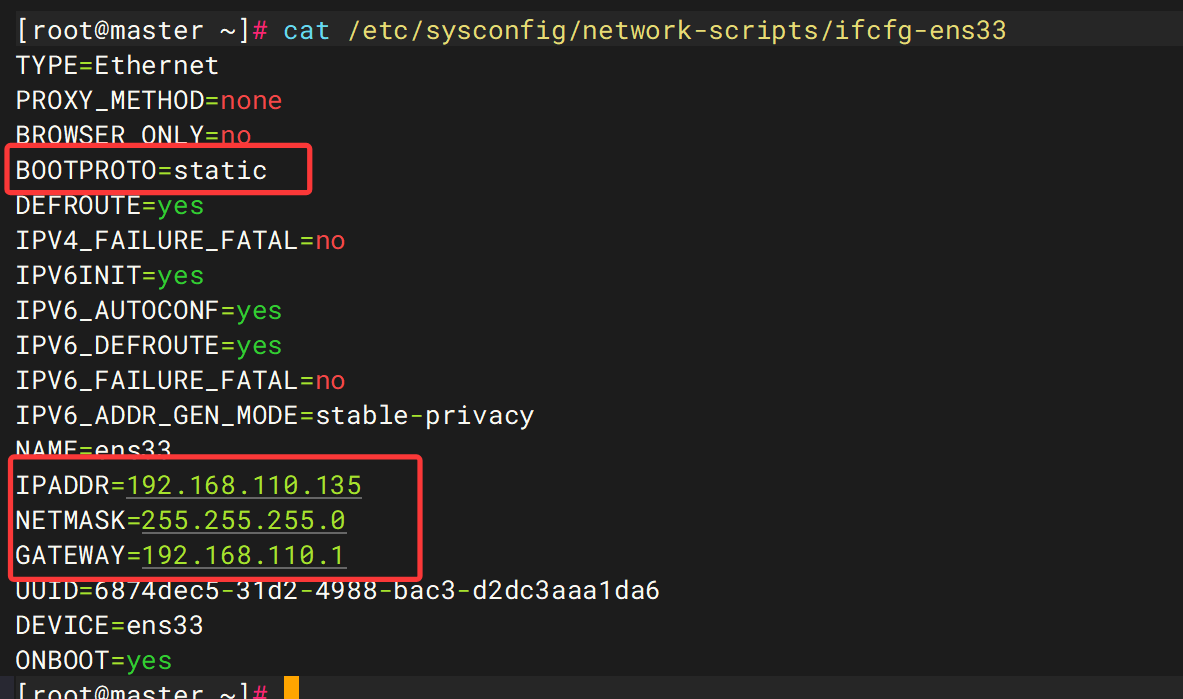
发现master,node1,node3三个节点,ip分别为192.168.110.135,192.168.110.132,192.168.110.133
但是在检材五中,其hostname却是node2
我们需要恢复其网络配置,将master节点的/etc/hostsh中的133对应的node3改为node2
接着ip a查看网卡情况不出意外的话是和hosts文件中不相符的
遂修改ens33网卡的配置,或者重新添加内部网卡
将BOOTPROTO=dhcp改为BOOTPROTO=static,从dhcp自动分配ip改为静态分配,并按照hosts文件添加ipaddr,netmask和gateway
其他两台同样操作
然后三台机器systemctl restart network重启网络服务,互ping检查是否联通ping -c 4 master && ping -c 4 node1 && ping -c 4 node2
然后重启k8s服务service docker restart && service kubelet restart
1. 该服务器集群处于什么时区?
EST
1 cat /etc/localtime | tail -n 1
2. 服务器检材三中,主要分区的起始扇区和扇区数分别是多少
123729920
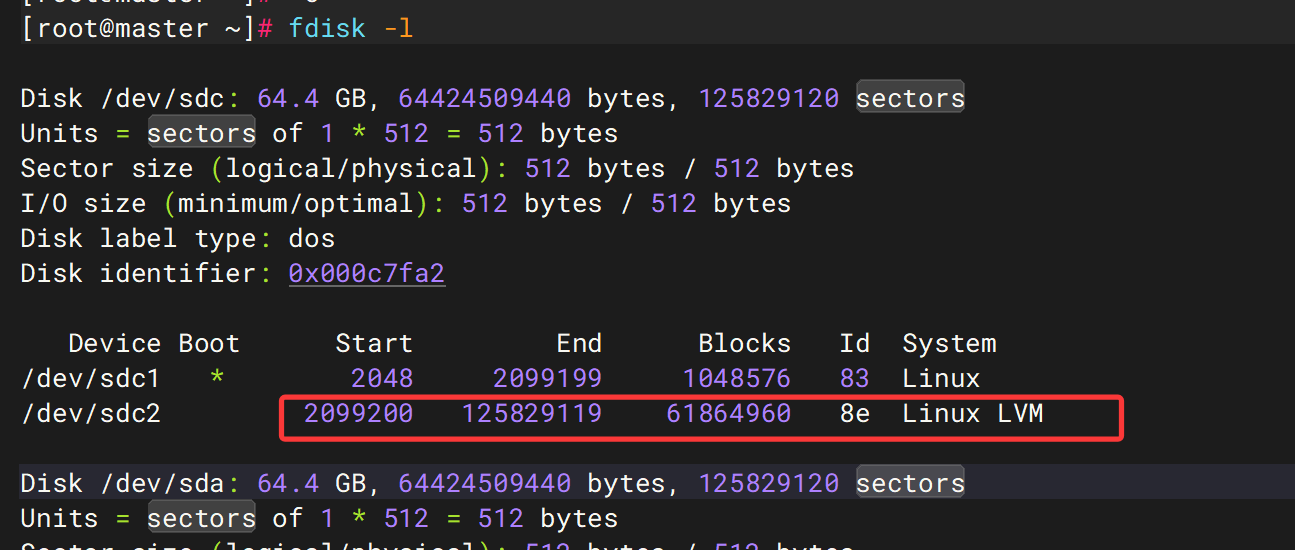
fdisk -l
/dev/sda2起始2099200,截止125829119,合计扇区125829119-2099200+1=123729920
3. 在主机master中,不属于Centos原本一级目录的有哪些?
a /project b /opt c /srv d/www
4. 服务器检材五的主机名是什么?区分大小写
node2
之前看到了
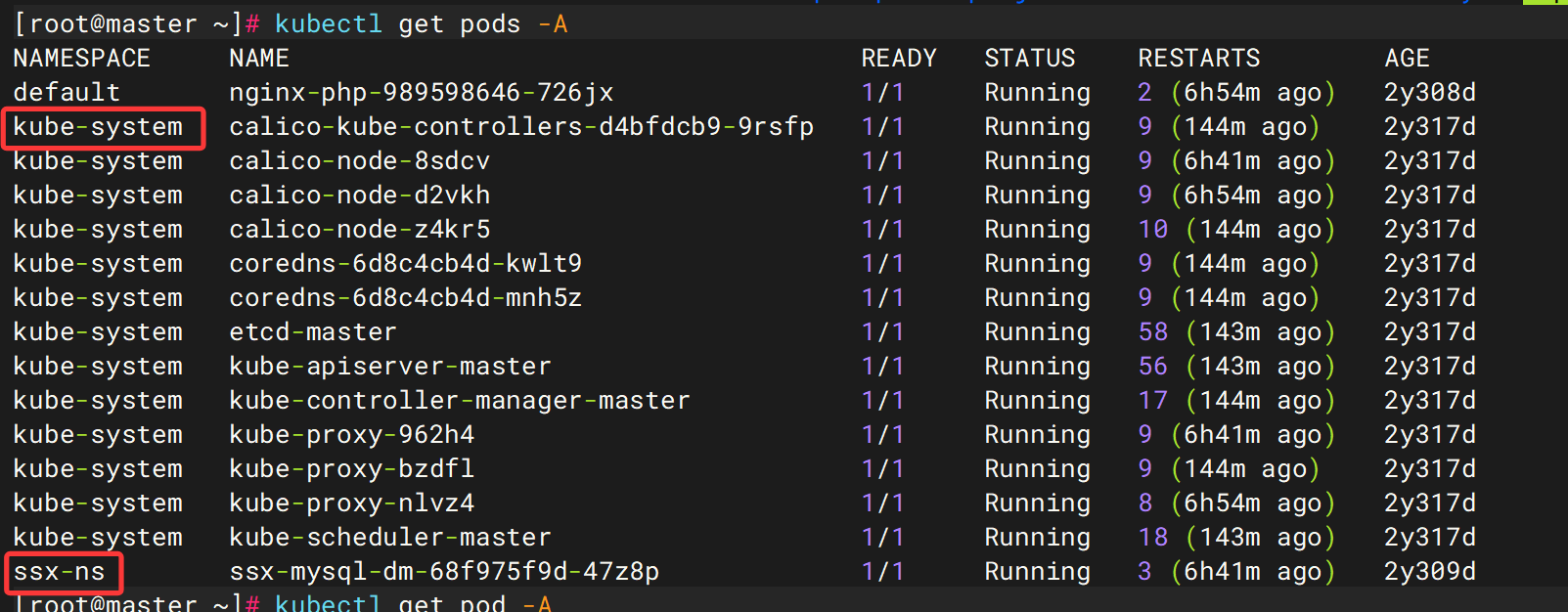
7. 该k8s服务器集群中,有多少pod
2
kubectl get pods -A
9. 该集群中,k8s初始化后生成的秘钥的sha256哈希值是多少(答案格式:全部小写)
4ce0bd8ce22014dd7f88944cd0aebc6d02845bf2806ac3a96eb6b39cba6a6725
kubeadm token create --print-join-command
或者任意一个节点
1 openssl x509 -pubkey -in /etc/kubernetes/pki/ca.crt | openssl rsa -pubin -outform der 2>/dev/null | openssl dgst -sha256 -hex | sed 's/^.* //'
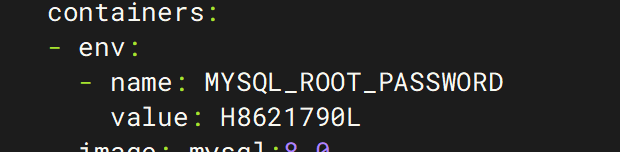
11. 该集群连接数据库的密码是?区分大小写
H8621790L
在master节点中kubectl describe pod ssx-mysql-dm-68f975f9d-47z8p -n ssx-nsorkubectl get pod ssx-mysql-dm-68f975f9d-47z8p -n ssx-ns -o yaml
12. 该集群kubernetes的cluster ip是多少
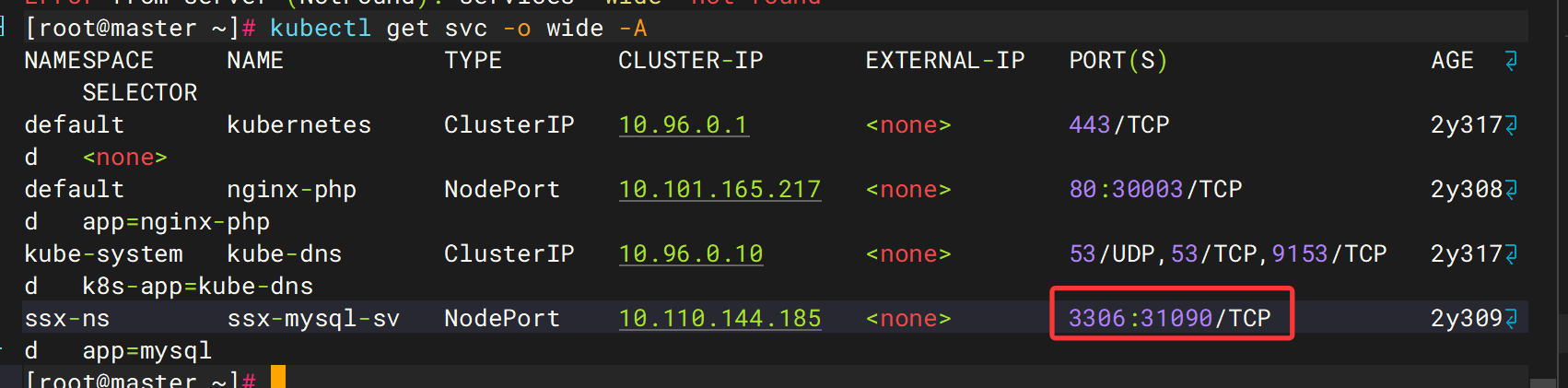
10.96.0.1
13. 该k8s集群中数据库所在容器的主机名是多少?区分大小写
ssx-mysql-dm-68f975f9d-47z8p
54. 该k8s集群中,数据库映射到主机的端口是什么(答案格式:80)
31090
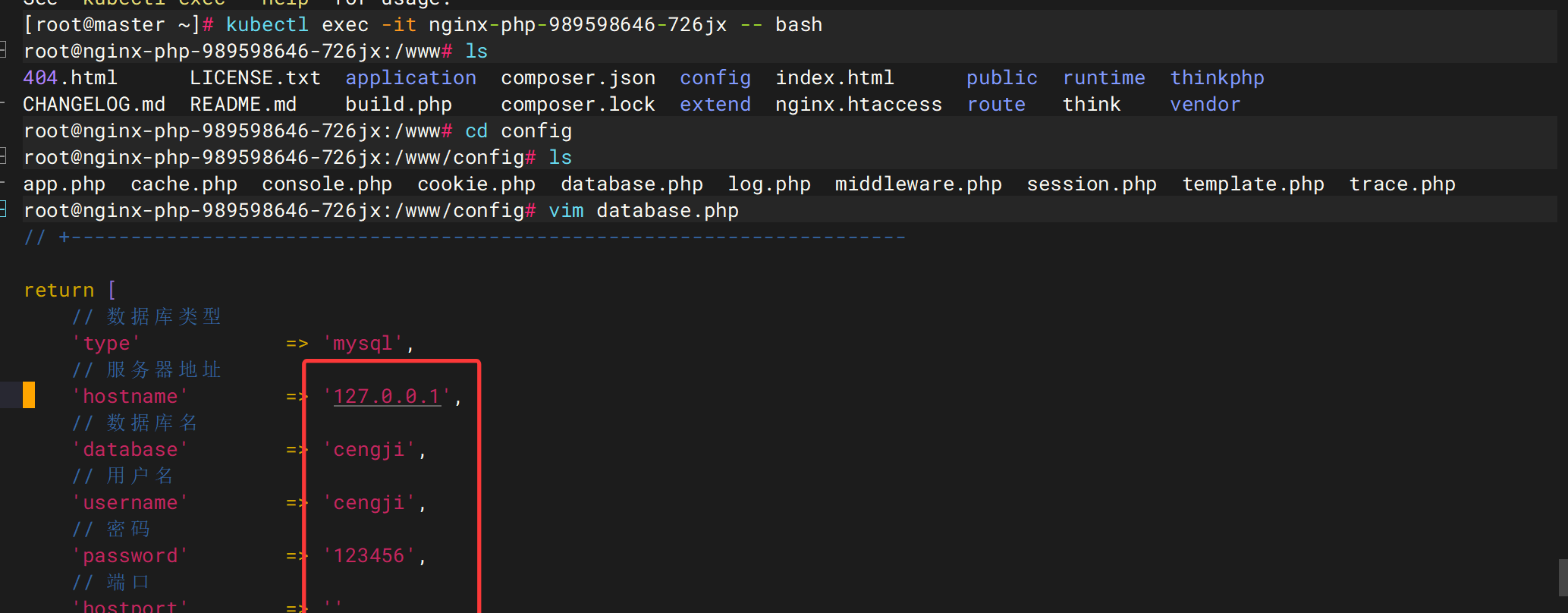
恢复网站 数据库修复 kubectl exec -it nginx-php-989598646-726jx /bin/bash进入容器操作
发现hostname和username和password和hostport都有问题,
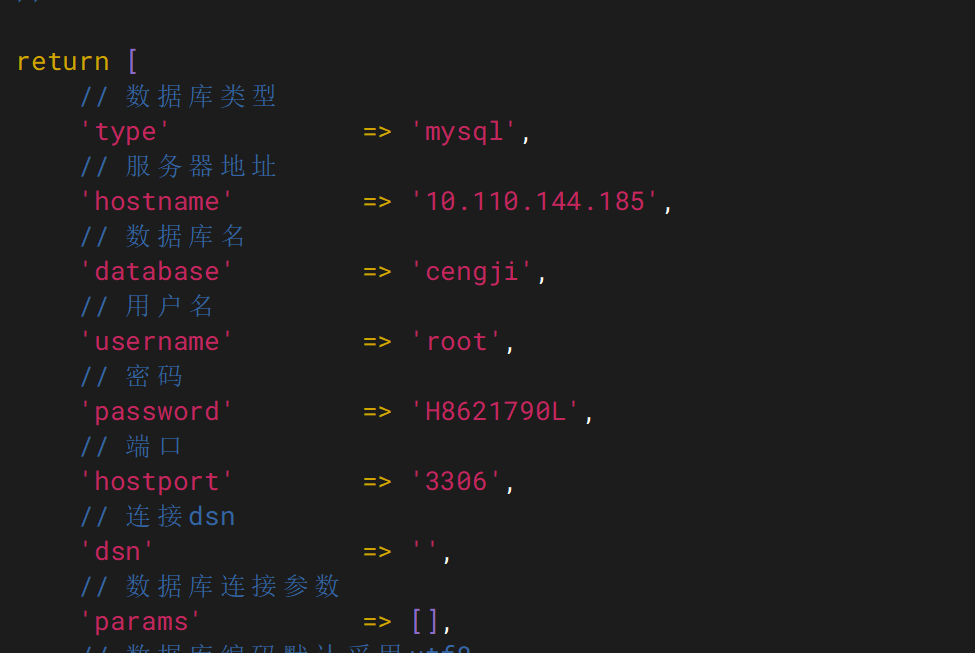
我们可以修改hostname为10.110.144.185对应的hostport改为3306或者hostname为10.244.104.15hostport为31090
用户名和密码改为root H8621790L
网站配置修复 网站显示403forbideen
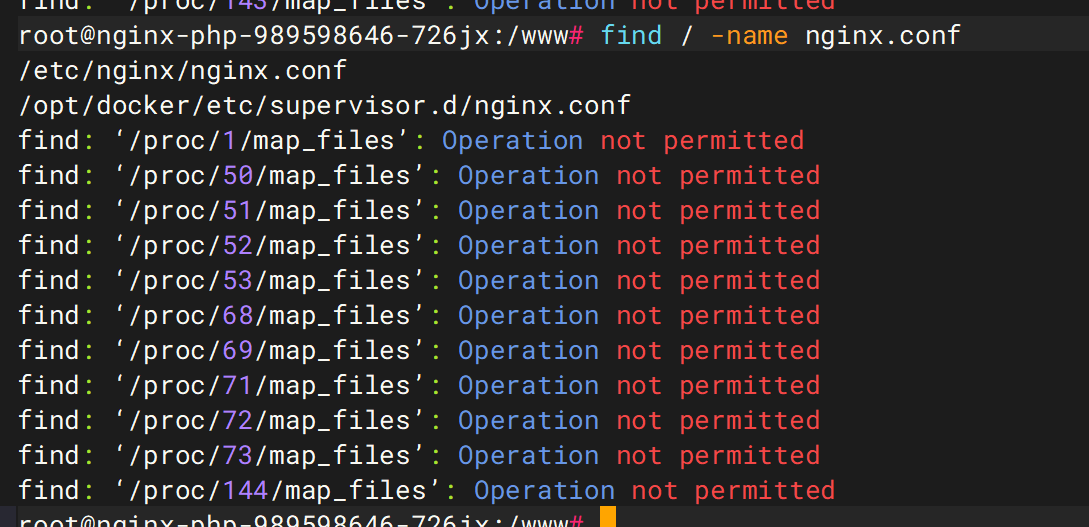
需要修复nginx配置文件find / -name nginx.conf
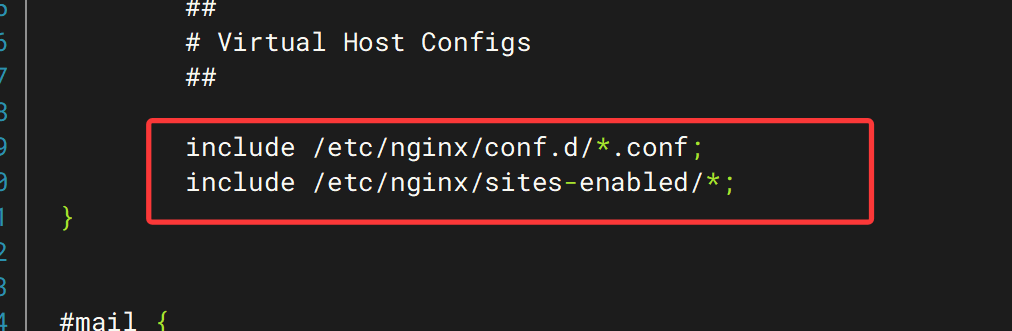
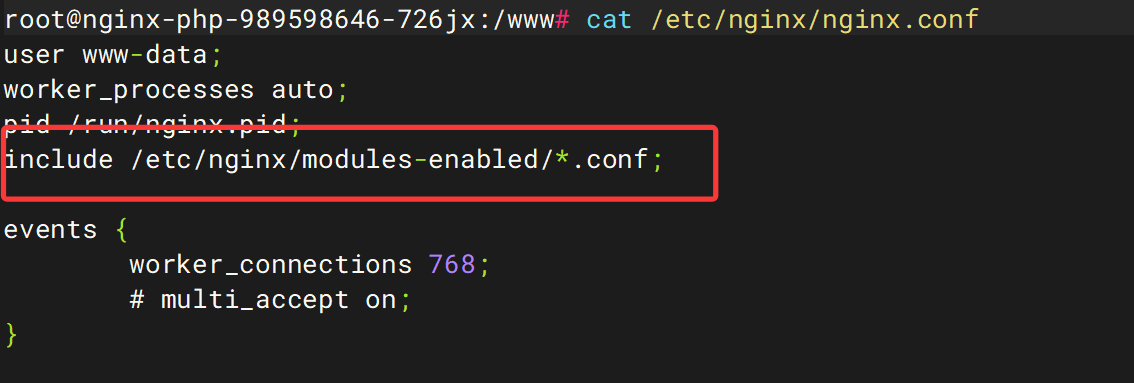
在第一个文件中并没有发现server部分。则继续查看其include的文件
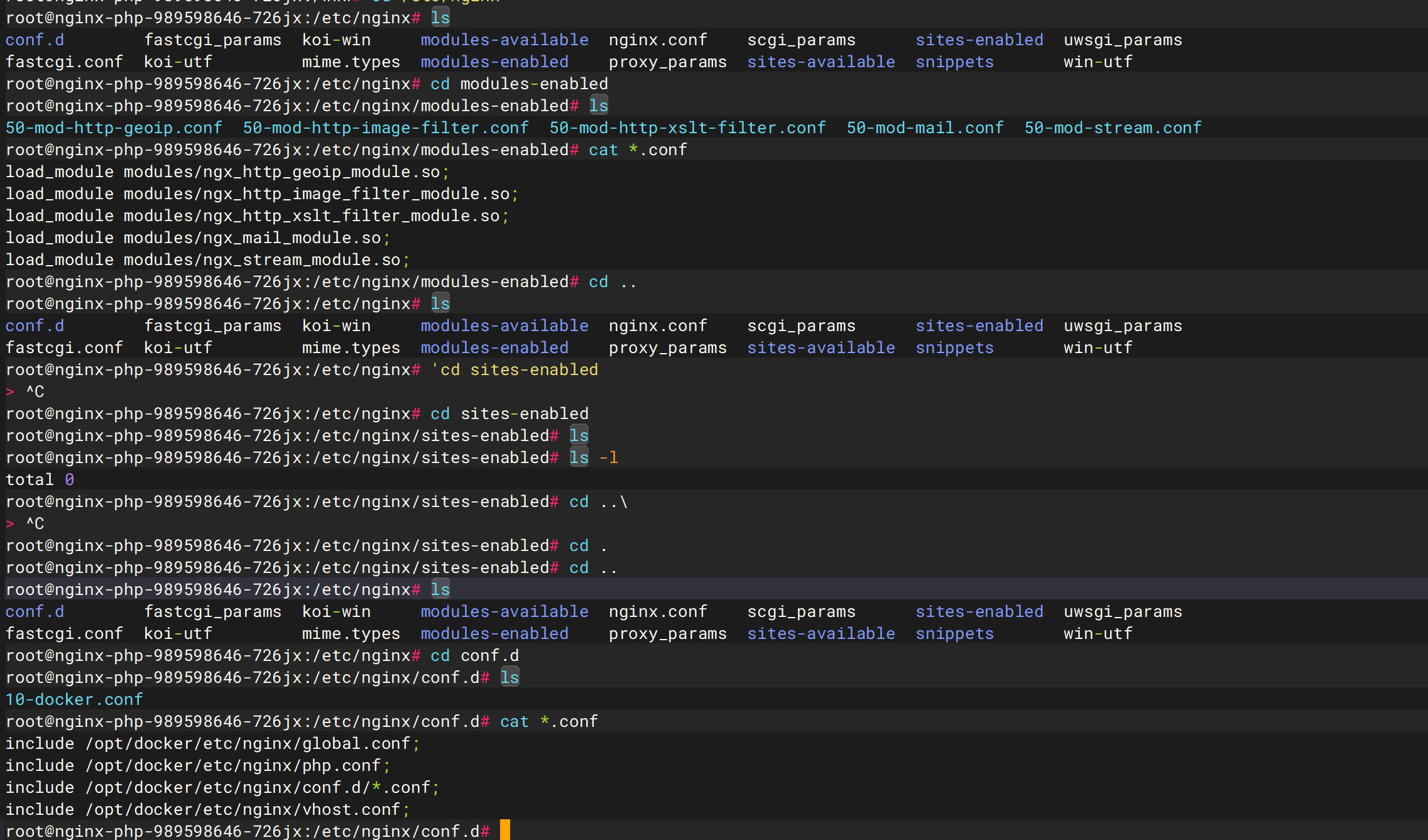
逐个看一下
发现 都没有什么东西,所以我们需要添加网络配置
1
2
3
4
5
6
7
8
9
10
11
12
13
14
15
16
17
18
19
20
21
22
server { listen 80 default_server; listen [::]:80 default_server; root /www/public ; index index.php; server_name _; location ~* (runtime|application)/{ return 403 ; } location / { if (!-e $request_filename ){ rewrite ^(.*)$ /index.php?s=$1 last; break ; } location ~ \.php$ { include fastcgi_params; fastcgi_param REQUEST_METHOD $request_method ; fastcgi_param SCRIPT_FILENAME $document _root$fastcgi_script_name ; fastcgi_pass 127.0 .0.1 :9000 ; } } }
将这个内容添加到/etc/nginx/conf.d/default/conf文件中,之后重启服务
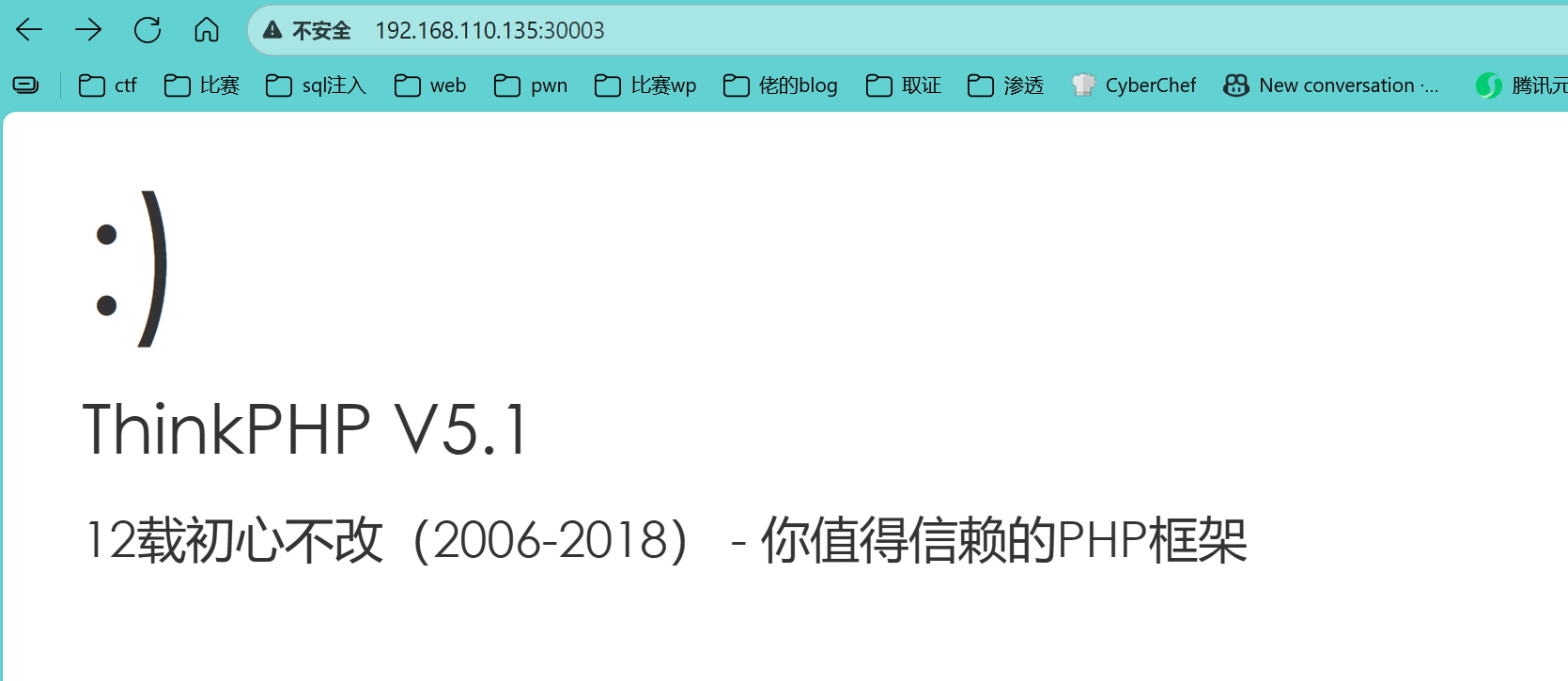
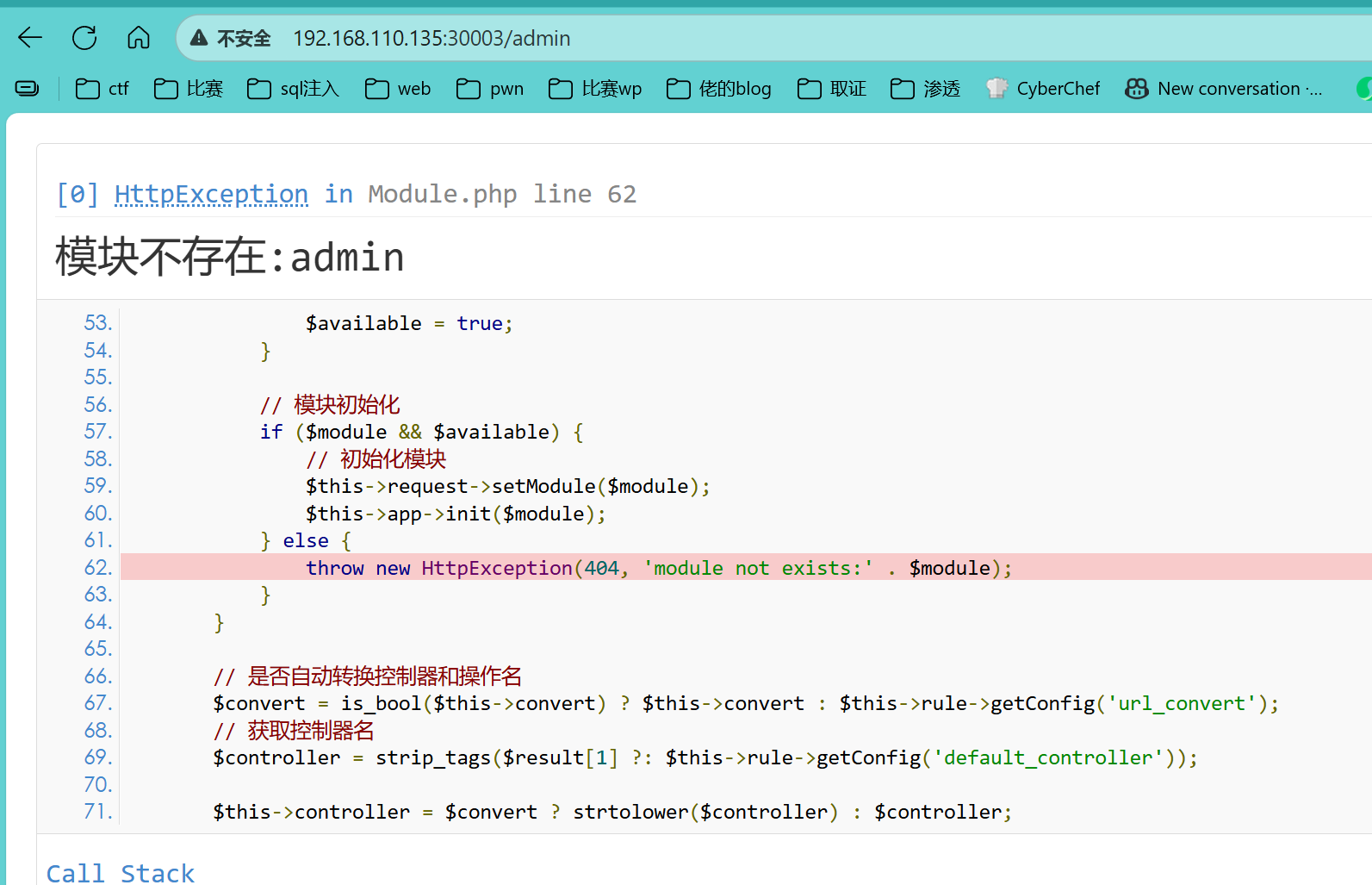
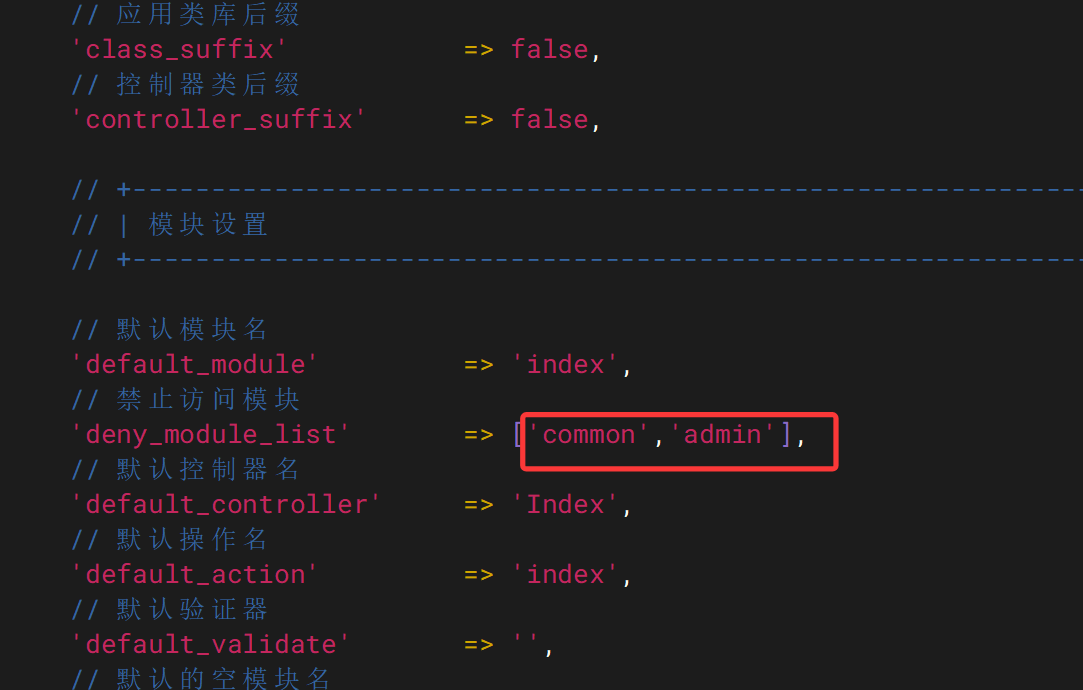
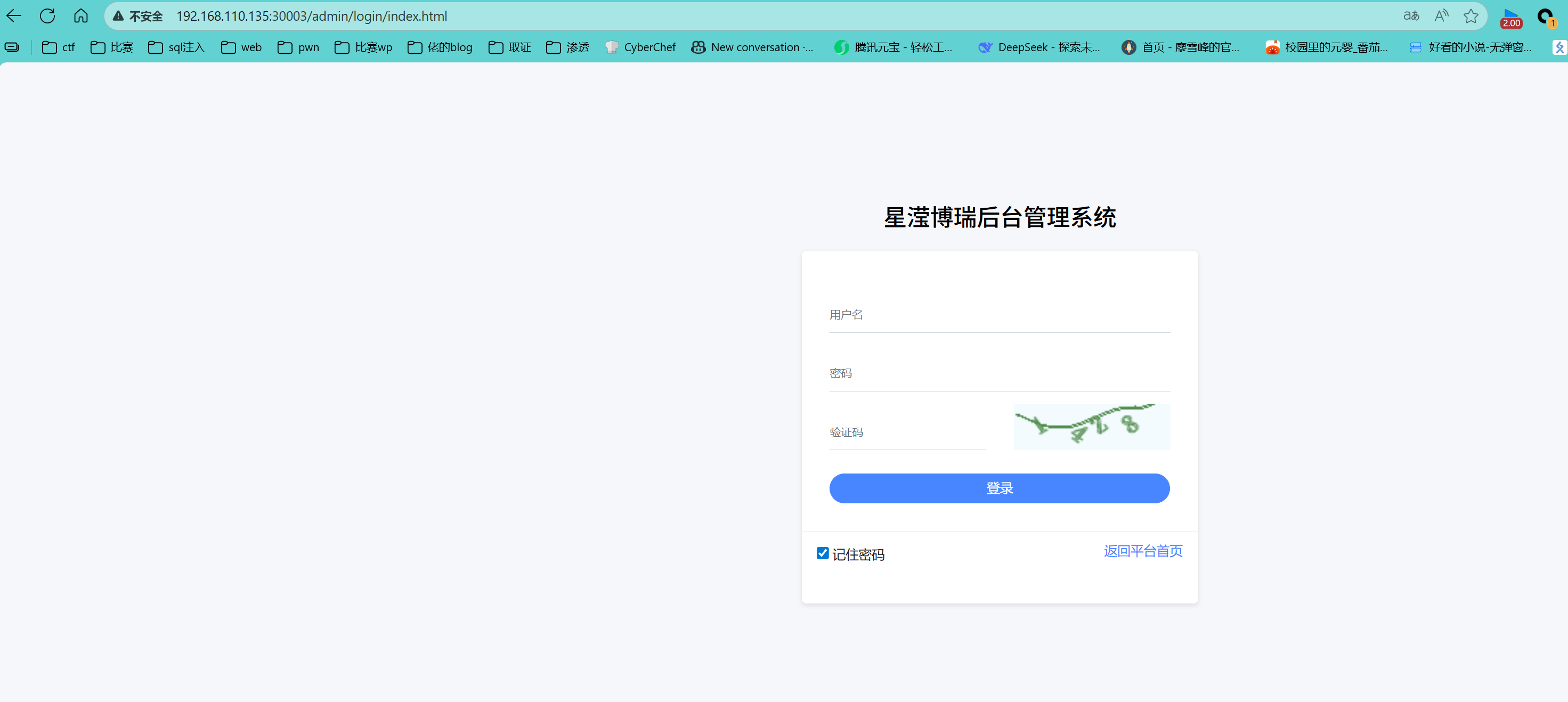
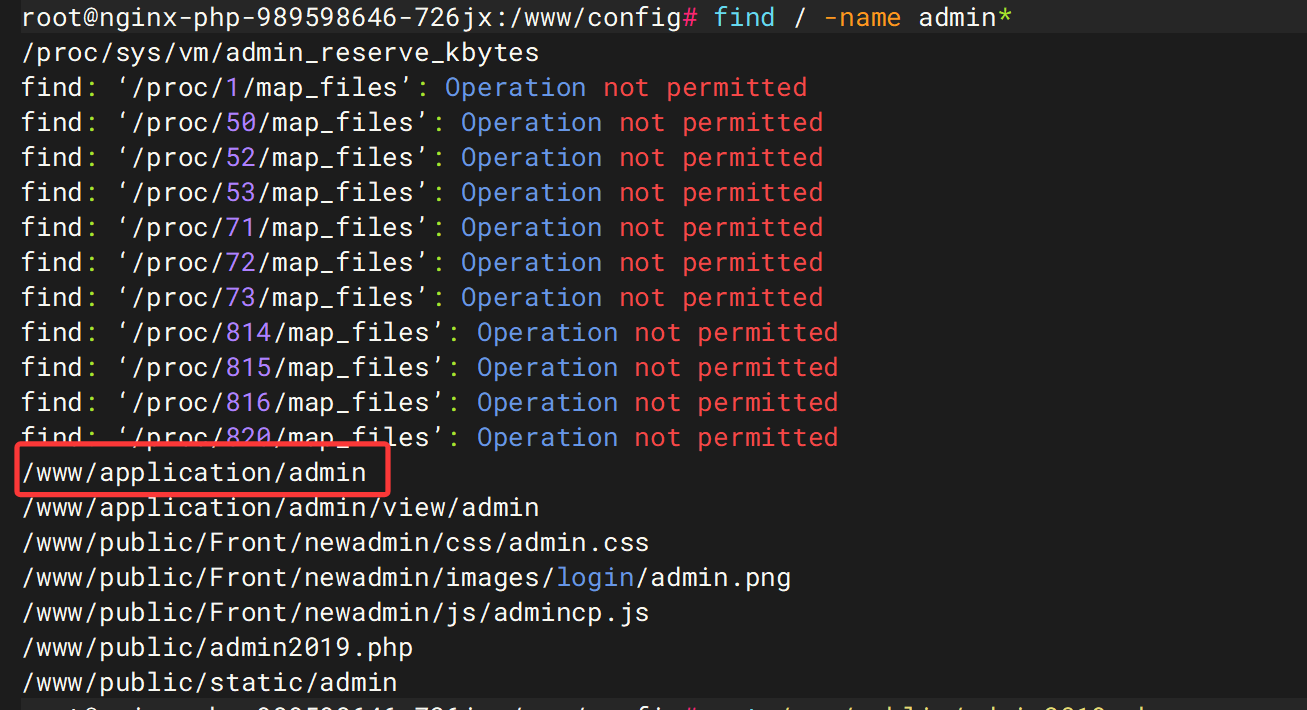
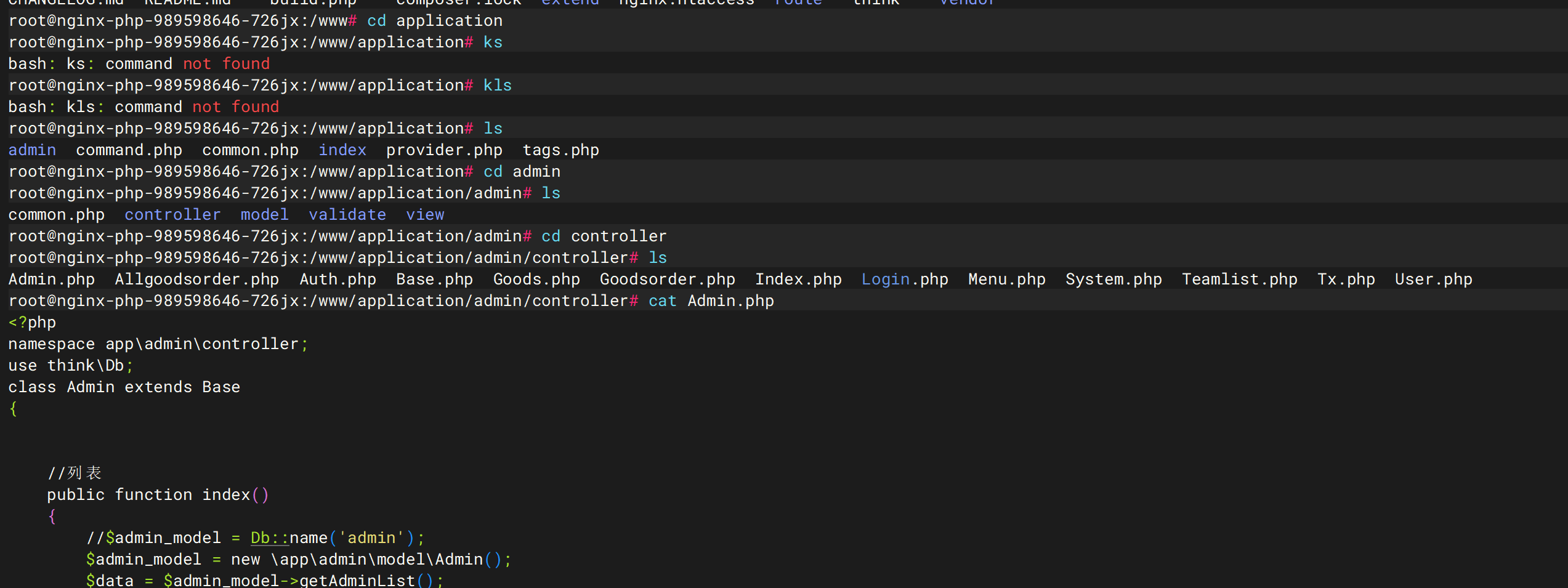
发现可以正常运行服务,尝试访问后台发现,没有这个模块
vim /www/config/app.php,将admin删除
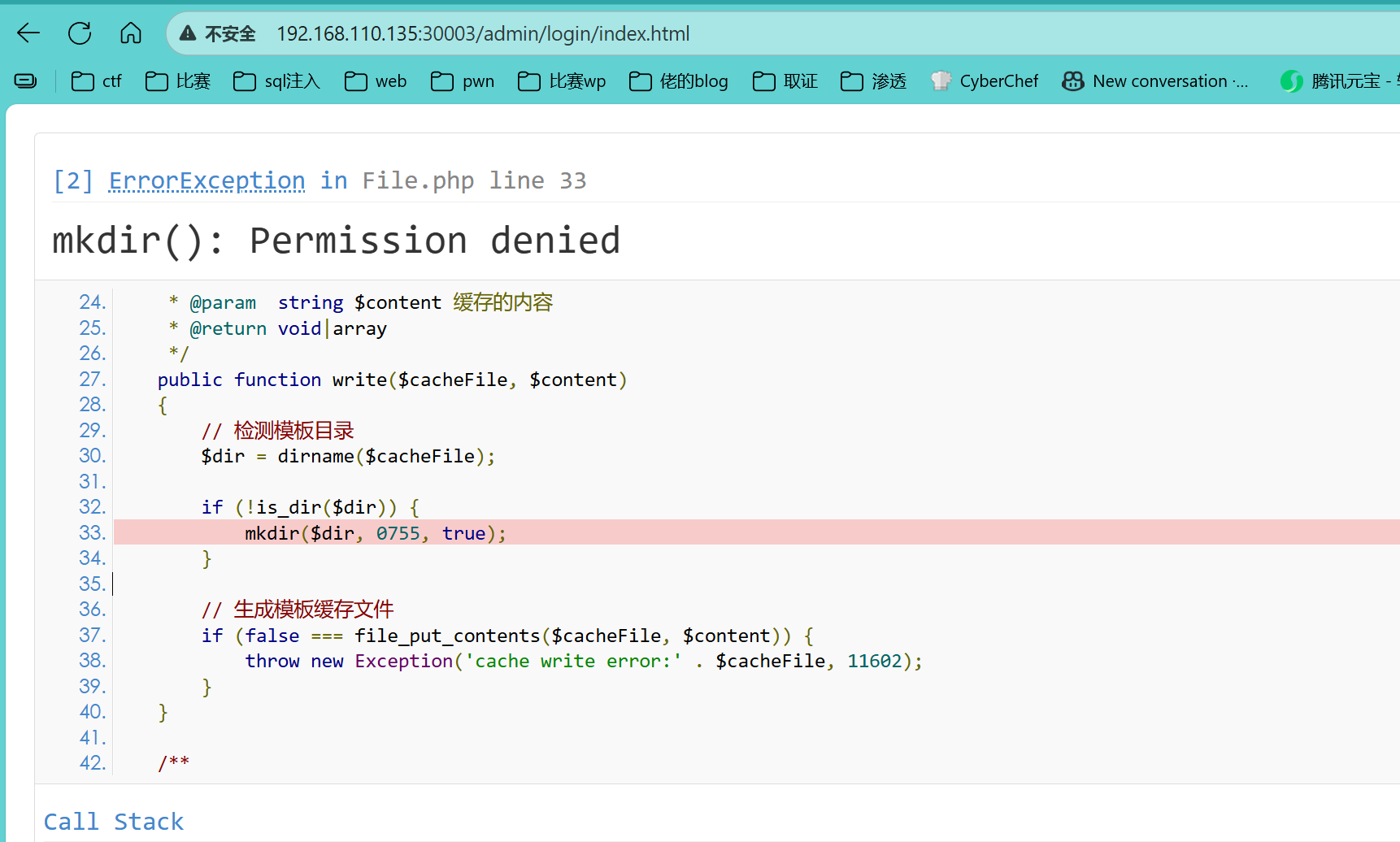
删除即可,然后发现又爆了另一个错误
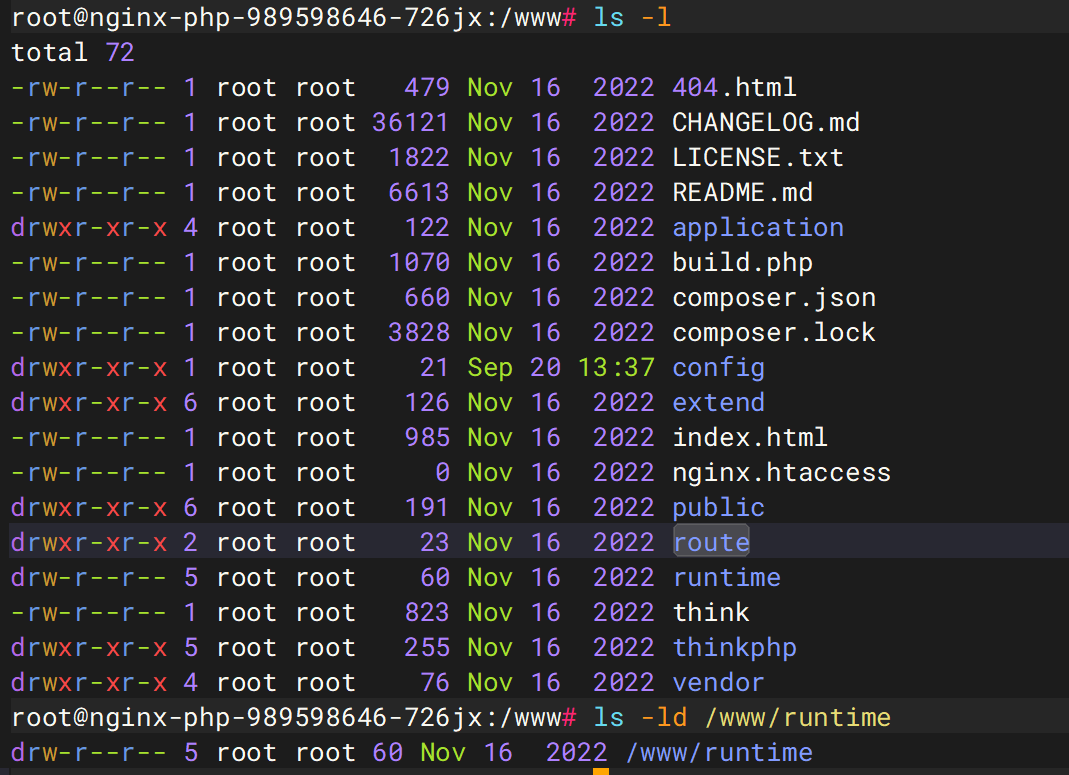
PHP 进程没有权限在 /www/runtime/temp目录下创建子目录 ,
www目录下的权限所有者为root,所有我们需要将权限所有者换为www-data
1
2
chown -R www-data /www && chgrp -R www-data /www && chmod -R 777 /www/runtime/ service nginx restart
成功恢复后台,需要修改admin的密码
admin密码修复 去寻找密码的验证和生成策略
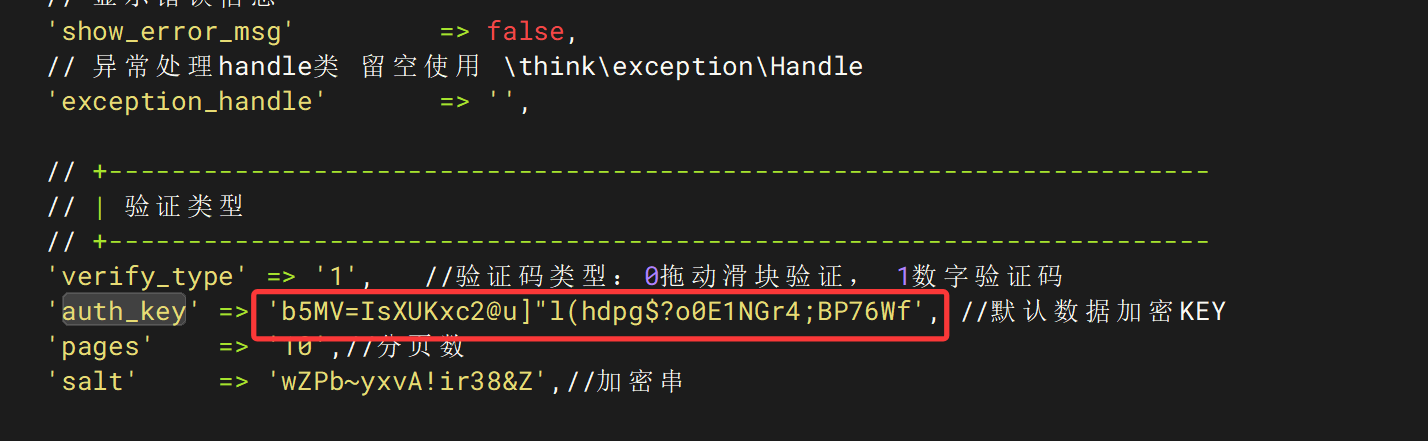
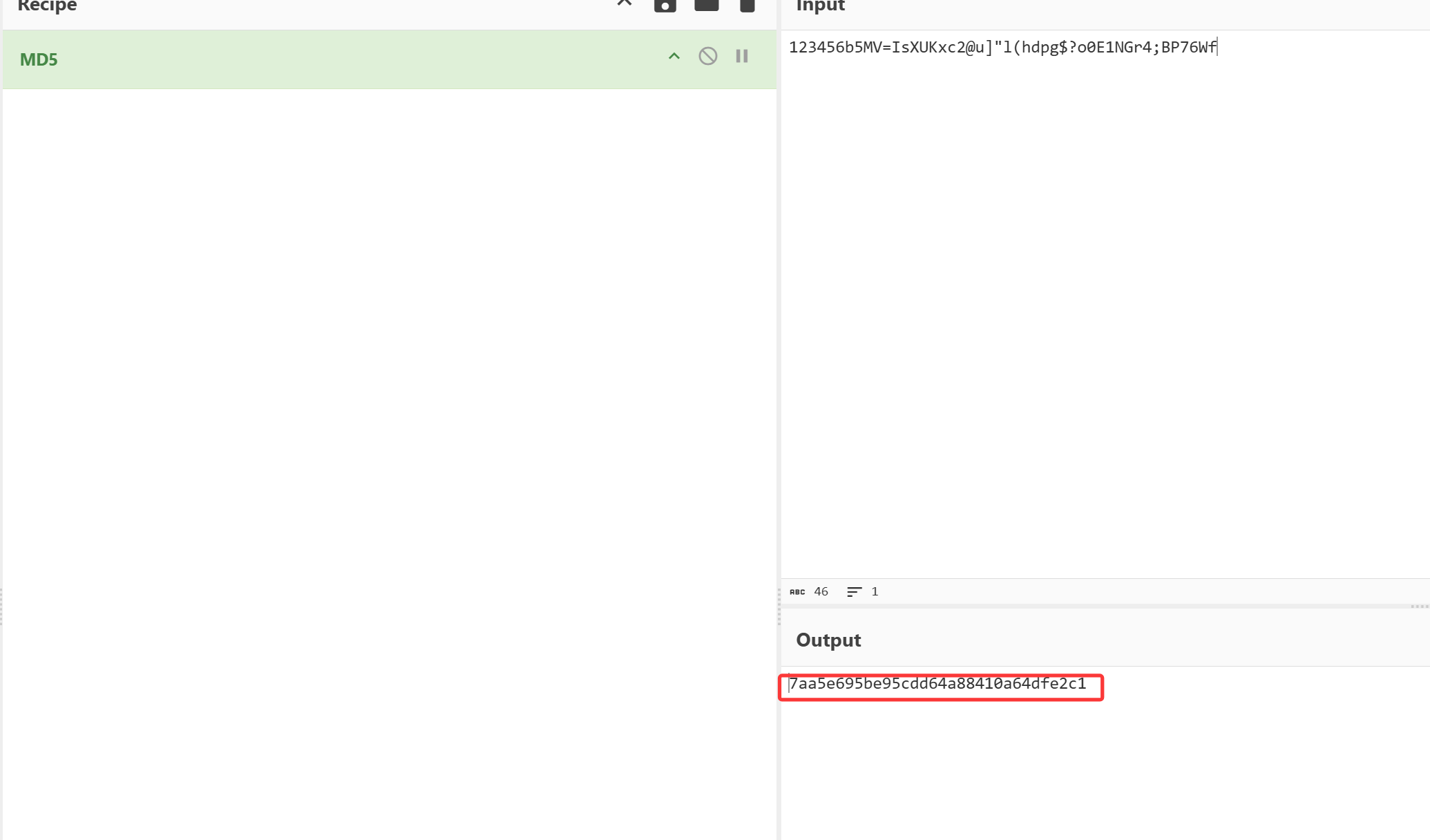
发现了password是以password+auth_key,然后MD5后传参,在/wwwconfig/app.php中发现了auth_keyb5MV=IsXUKxc2@u]"l(hdpg$?o0E1NGr4;BP76Wf
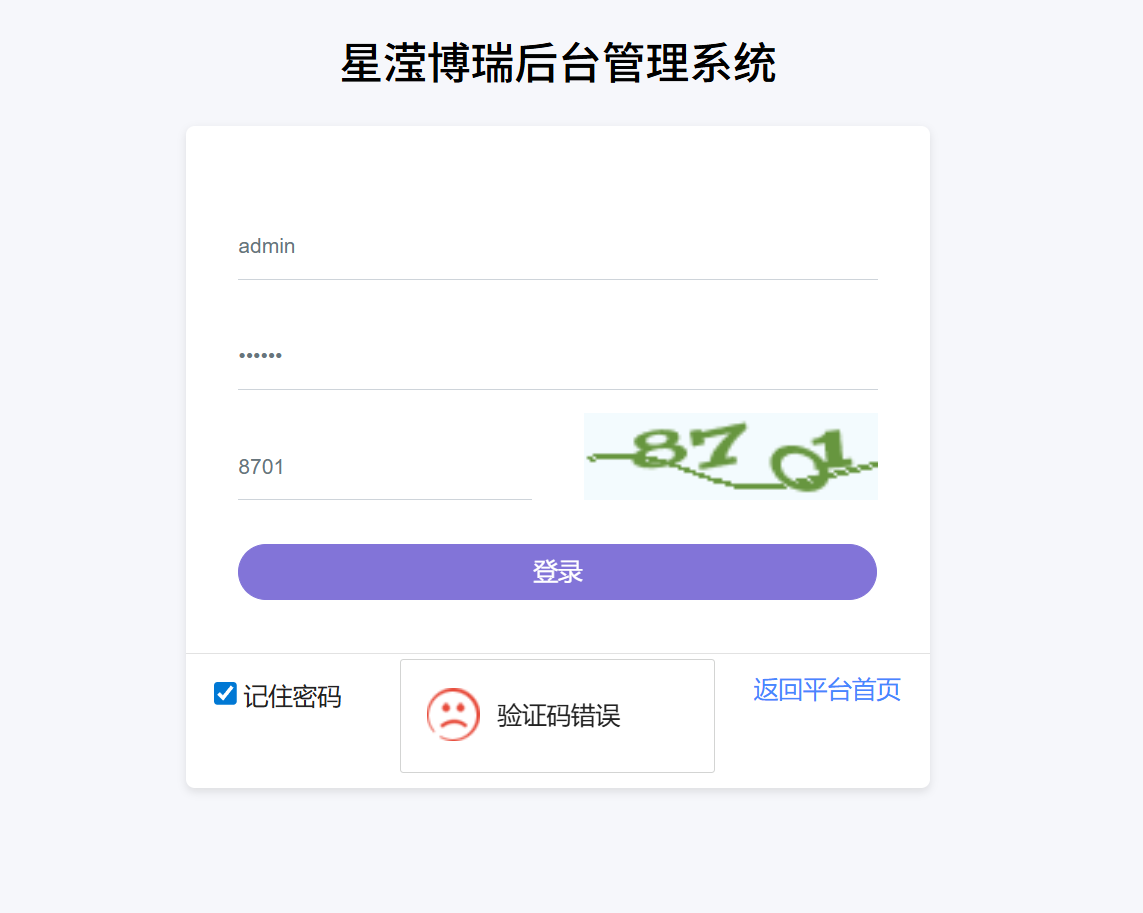
方法1.绕密 尝试账号admin密码123456登录
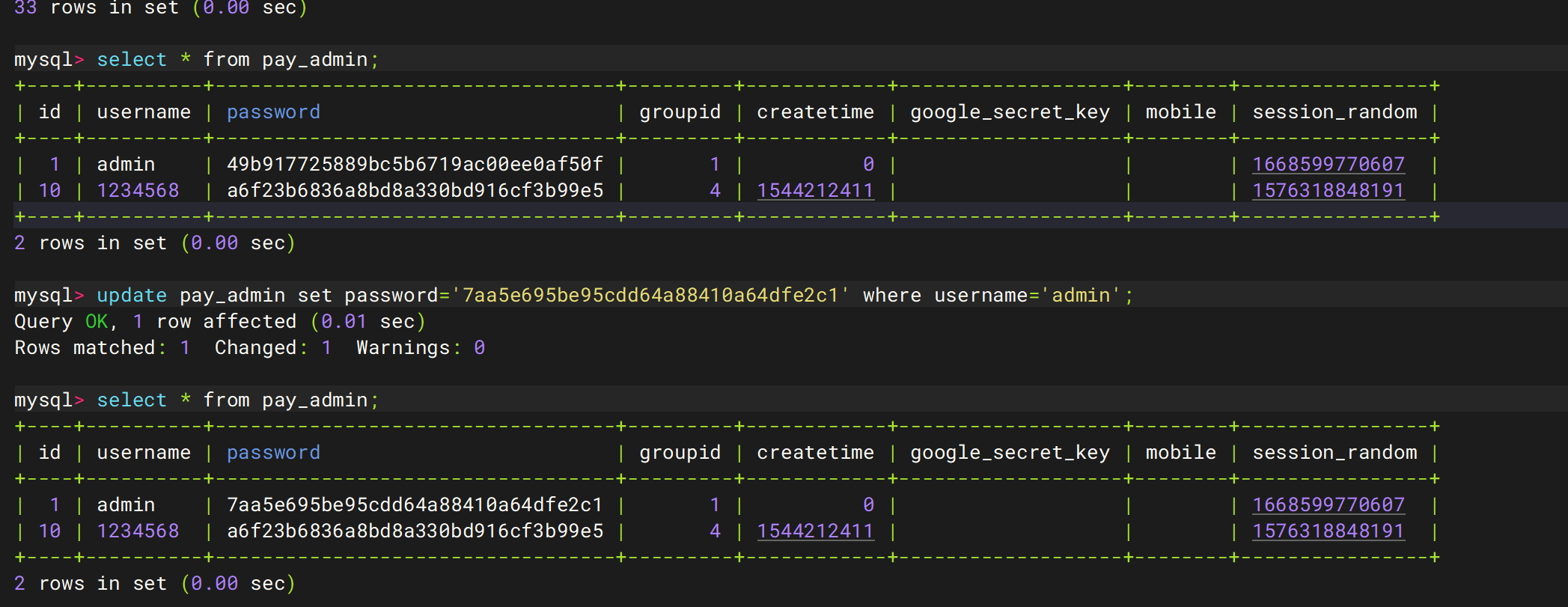
伪造密码,修改数据库值
7aa5e695be95cdd64a88410a64dfe2c1
1
2
3
kubectl exec -it ssx-mysql-dm-68f975f9d-47z8p -n ssx-ns -- mysql -uroot -pH8621790L use cengji update pay_admin set password='7aa5e695be95cdd64a88410a64dfe2c1' where username='admin';
但是登录后
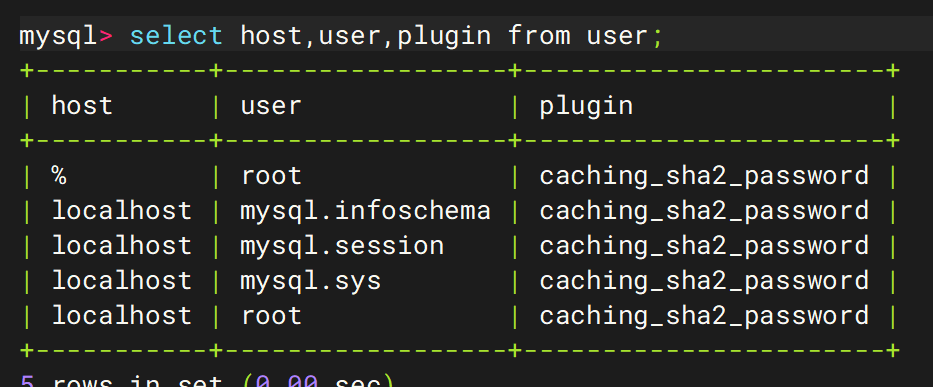
进入库名为mysql中
发现root用户的身份验证方式为caching_sha2_password修改为mysql_native_password
1
2
3
4
5
6
7
drop user root@'%'; flush privileges; CREATE USER 'root'@'%' IDENTIFIED BY 'H8621790L'; ALTER USER 'root'@'%' IDENTIFIED WITH mysql_native_password BY 'H8621790L'; grant all privileges on *.* to 'root'@'%' ; flush privileges; quit
然后需要重新设置一下database.php的设置,然后就能登录成功了
方法2.
1 vi /www/application/admin/controller/Login.php
修改
1 if(md5($password . config('auth_key')) != $info['password']){
为
1 if(md5($password . config('auth_key')) == $info['password']){
使用账号admin密码任意登录
55. 该集群中有部署一个网站,该网站的后台首页名称是什么(答案格式:xxxx系统)
星滢博瑞后台管理系统
由之前的配置过程可知
56. 该集群中有部署一个网站,网站中会员鲍泓江的推荐人手机号是多少
13857050043
57. 网站中周海燕于2021-11-25 22:17:01提现了一笔款项,该款项数额为多少(答案格式:1111.11)
11121.00
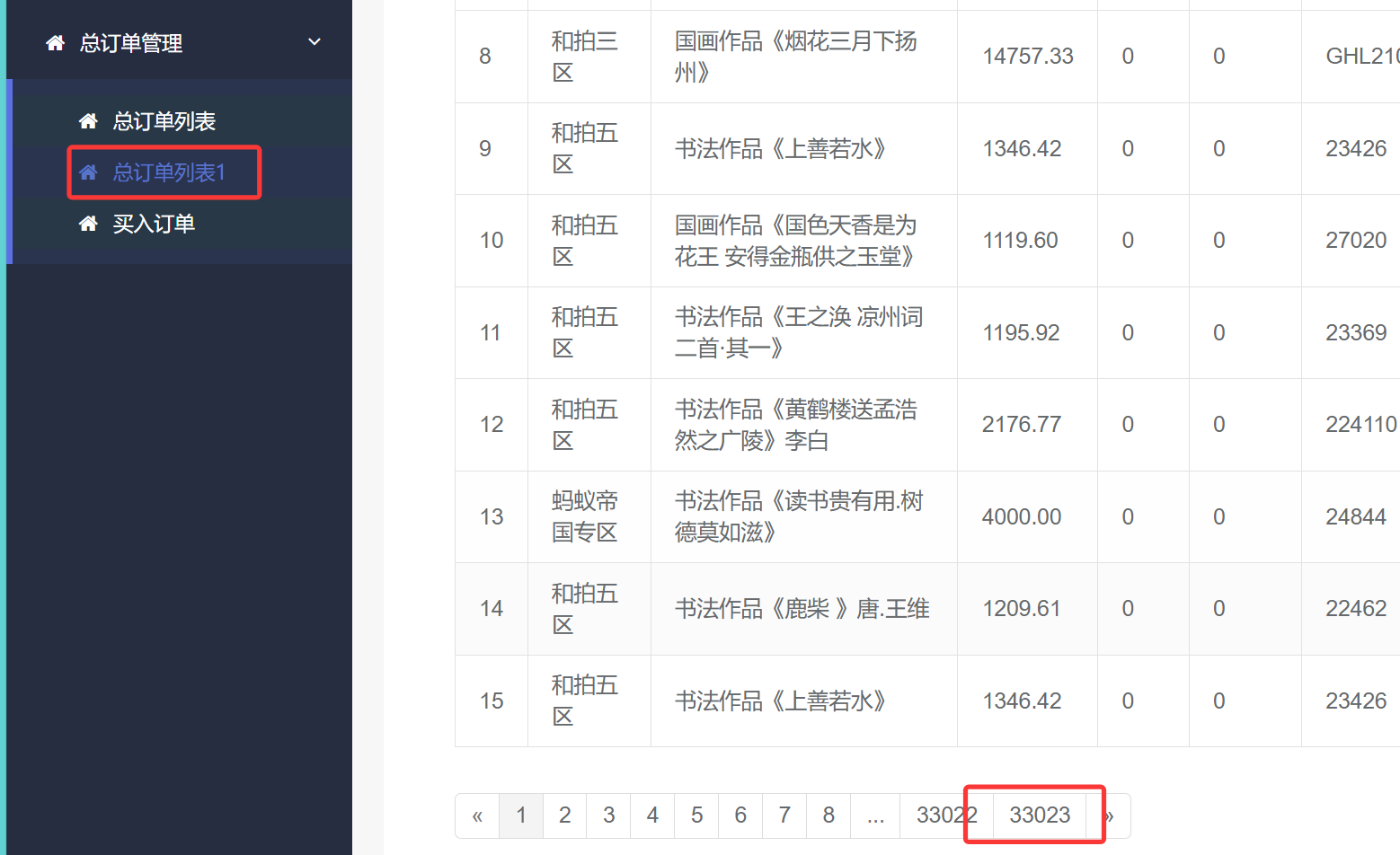
58. 总订单管理中的订单列表有多少页(答案格式:11)
33023
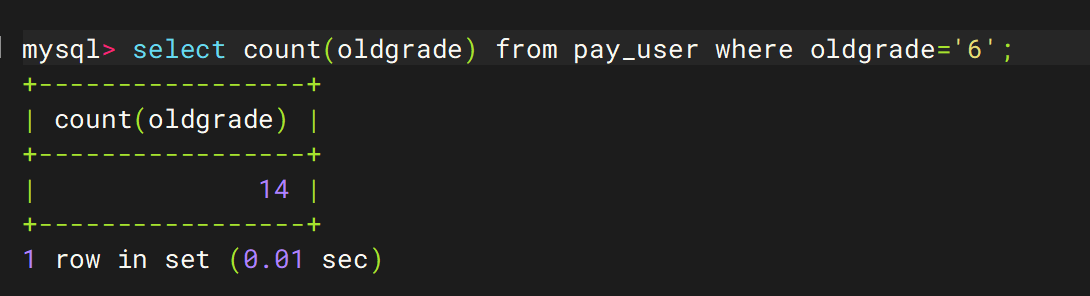
59. 该网站中总共多少六级团队(答案格式:11)
14
1 select count(oldgrade) from pay_user where oldgrade='6';
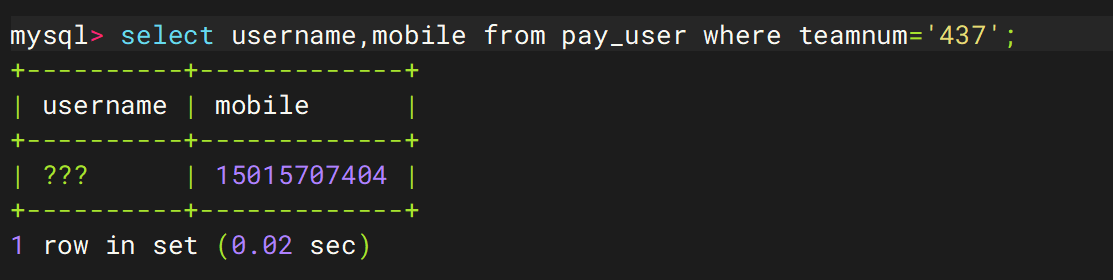
60. 该网站中下属会员数为437的会员手机号码是多少
15015707404
1 select username,mobile from pay_user where teamnum='437';